







What is the Psychology Behind Claw Machines?
Introduction
The Power of “Near Wins”

Why Do “Near Wins” Keep Us Playing?
The Illusion of Control
The Role of Unpredictability in Claw Machines
The Unpredictability Factor
How the Element of Surprise Affects Our Behavior
The Psychology of “Winning” in Claw Machines

The Perception of Winning
The “Cost of Play” and Commitment Bias
Claw Machine Design and its Impact on Psychology
Visual and Auditory Stimuli
The Influence of Social Proof
Conclusion
- Introduction
- The Power of “Near Wins”
- Why Do “Near Wins” Keep Us Playing?
- The Illusion of Control
- The Role of Unpredictability in Claw Machines
- The Unpredictability Factor
- How the Element of Surprise Affects Our Behavior
- The Psychology of “Winning” in Claw Machines
- The Perception of Winning
- The “Cost of Play” and Commitment Bias
- Claw Machine Design and its Impact on Psychology
- Visual and Auditory Stimuli
- The Influence of Social Proof
- Conclusion
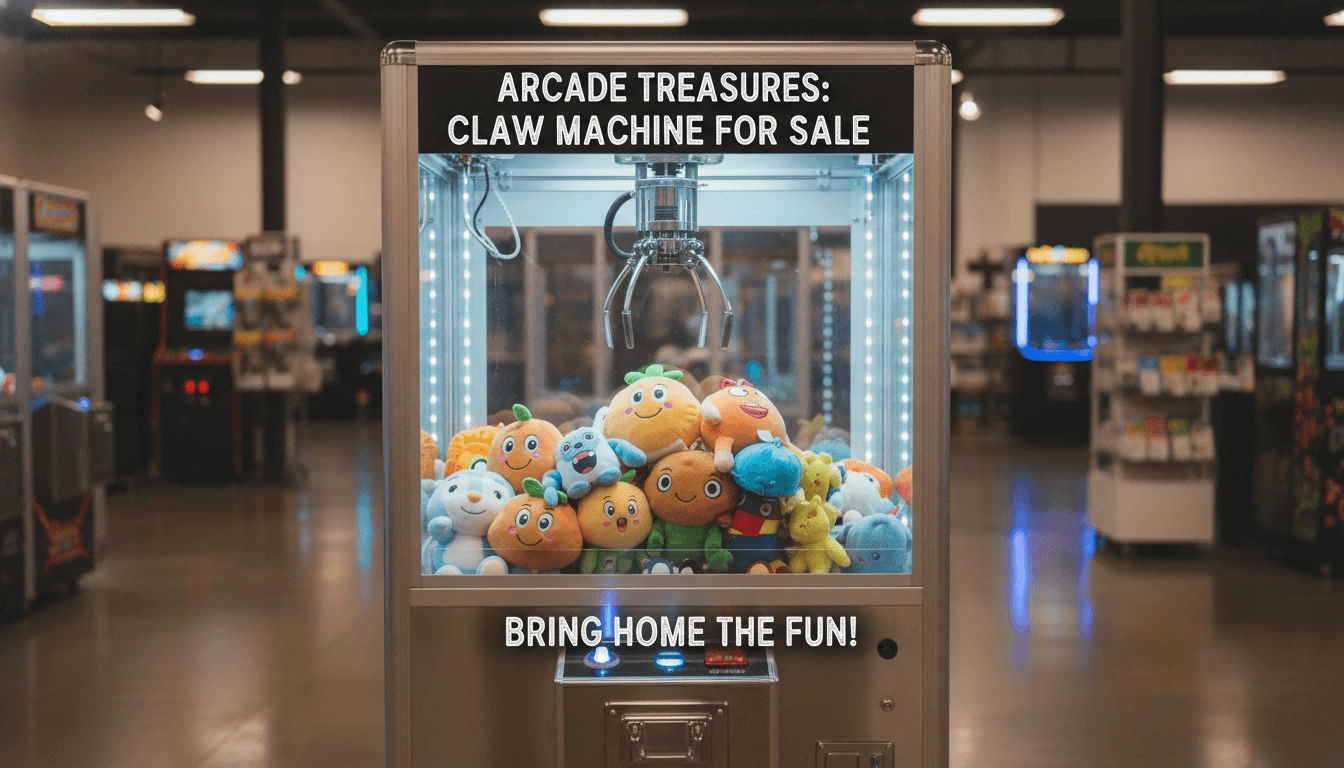
Unlocking Fun & Profit: The Ultimate 2026 Buyer's Guide to Claw Machines for Sale
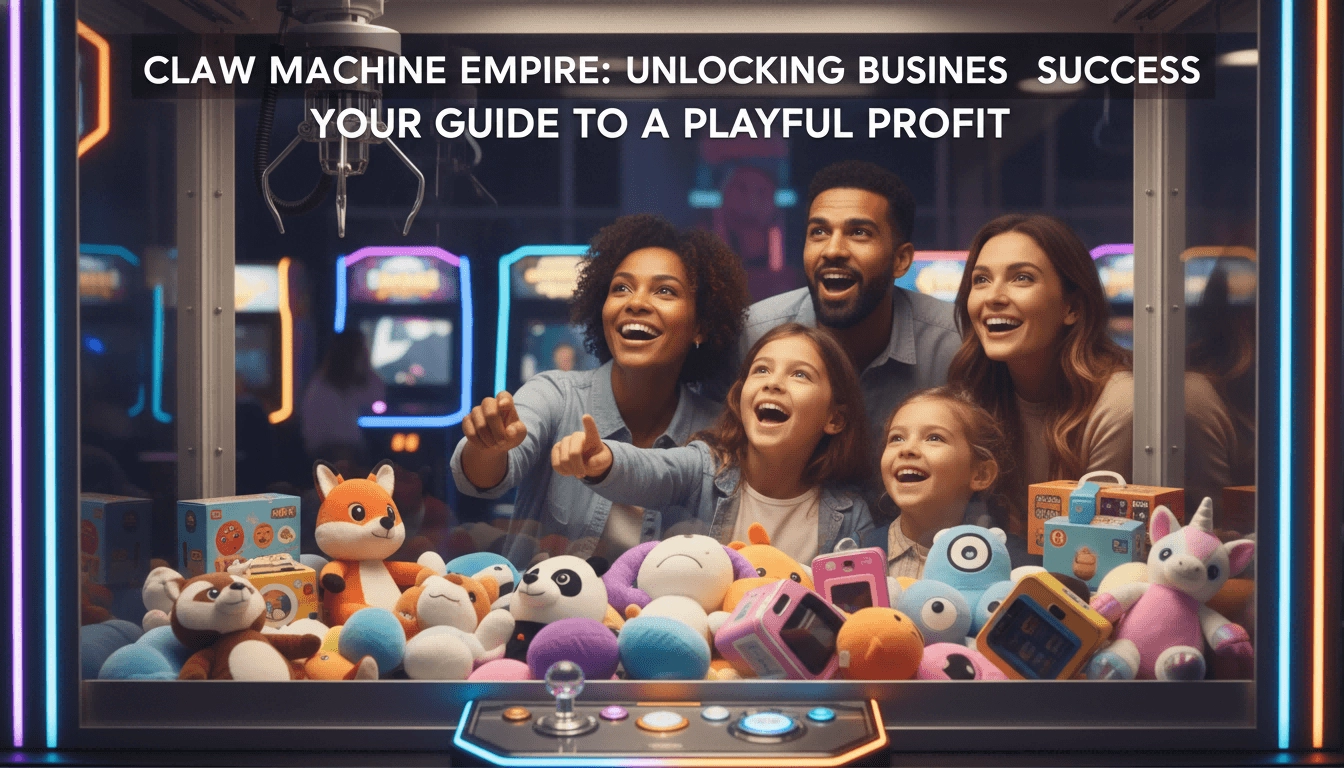
Unlock Profits: The Ultimate 2026 Guide to Starting a Highly Profitable Claw Machine Business
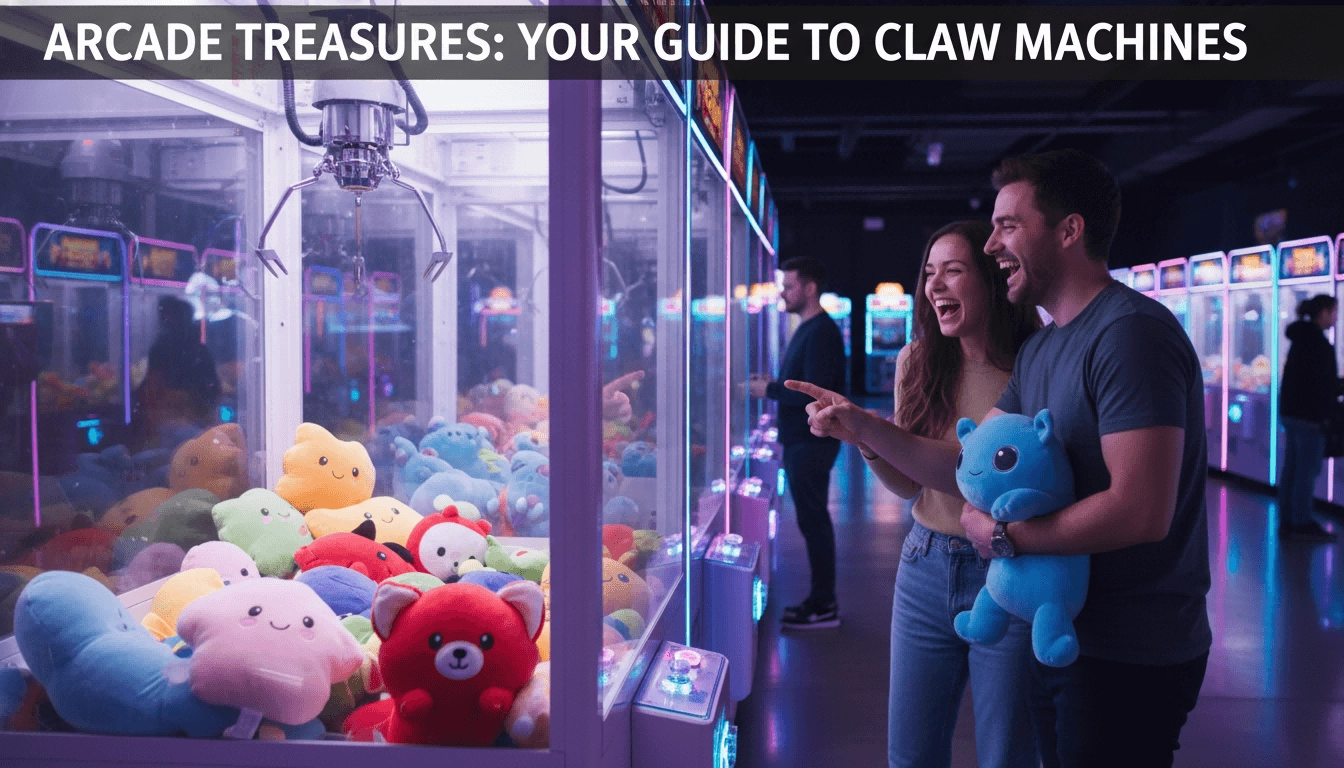
Mastering the Claw Machine Arcade: History, Winning Strategies, and Top Tips for Every Player
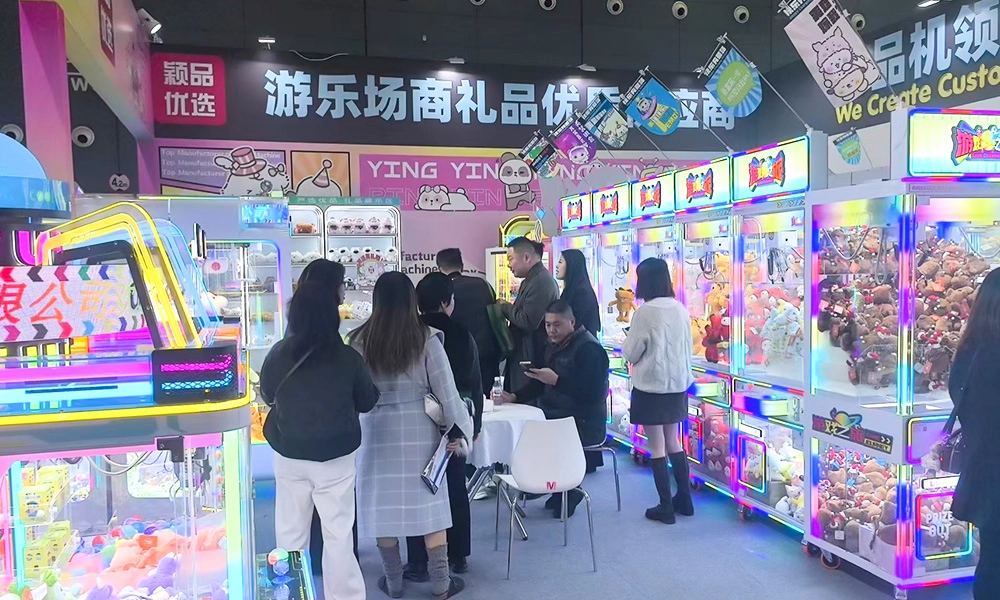
YPFUNS Shines at the 2nd China (Changsha) Amusement Equipment Exhibition
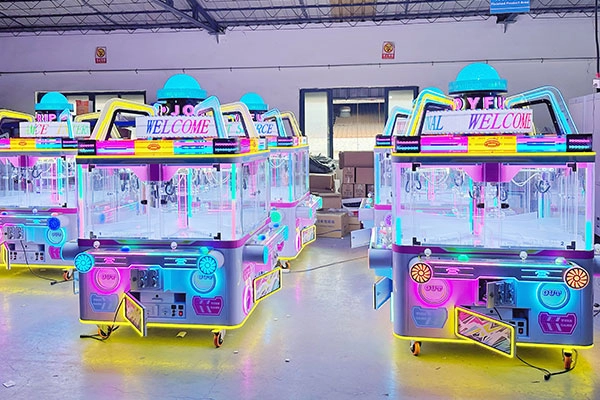
Claw Machines for Sale: Guide to Fun & Profit with YPFuns
Product
Why can`t get any response?
Due to the high demand of our calw machine products, every customs service will respond to more than dozens to hundreds of customers at one time, so there will be a late response. Thank you for your understanding and patience.
How to delivery?
First, if you have a freight forwarder in China, offer us the details. We offer EXW, CIF, DDP, DDU, etc. by sea or air.
What service can be provided?
We offer free consulting service, free design service, customization service, and after-sale service.
Customization
Support what customizations for claw machine wholesale?
- Custom claw machines
1. LOGO printing.
2. Various cabinet colors and appearances.
3. Size/players.
Custom claw shop
1. 2D floor design within 48 working hours.
2. 3D rendering design within 72 working hours.
What's minimum order quantity and how long could ship?
As normal, 1–10 sets for different items; please contact us for more information.
We will finish claw machines in 7 days after receiving the deposit.
About payment
We can provide bank letters of credit, and transactions will be protected by international law.
You may also like
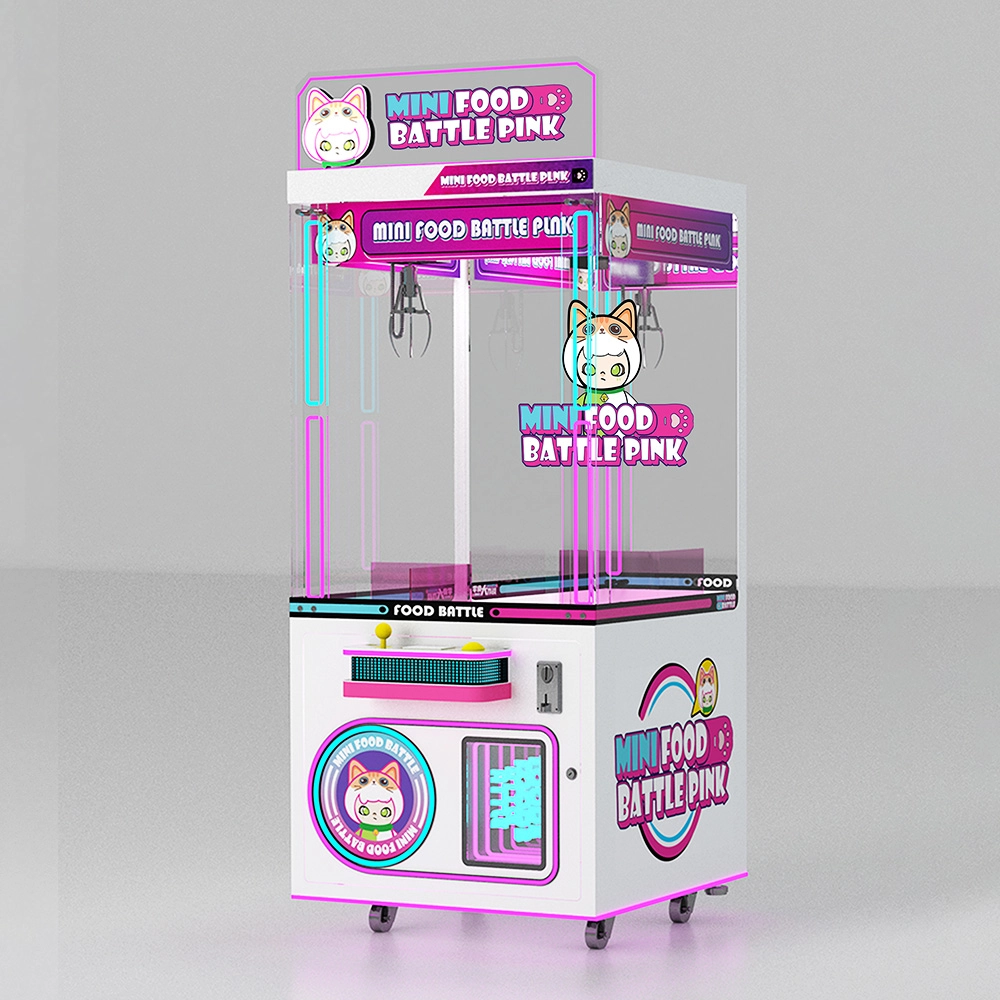
OEM YP-FB2002 YPFuns Green and Yellow/Pink and Blue Food battle 2 Prize Crane Machine
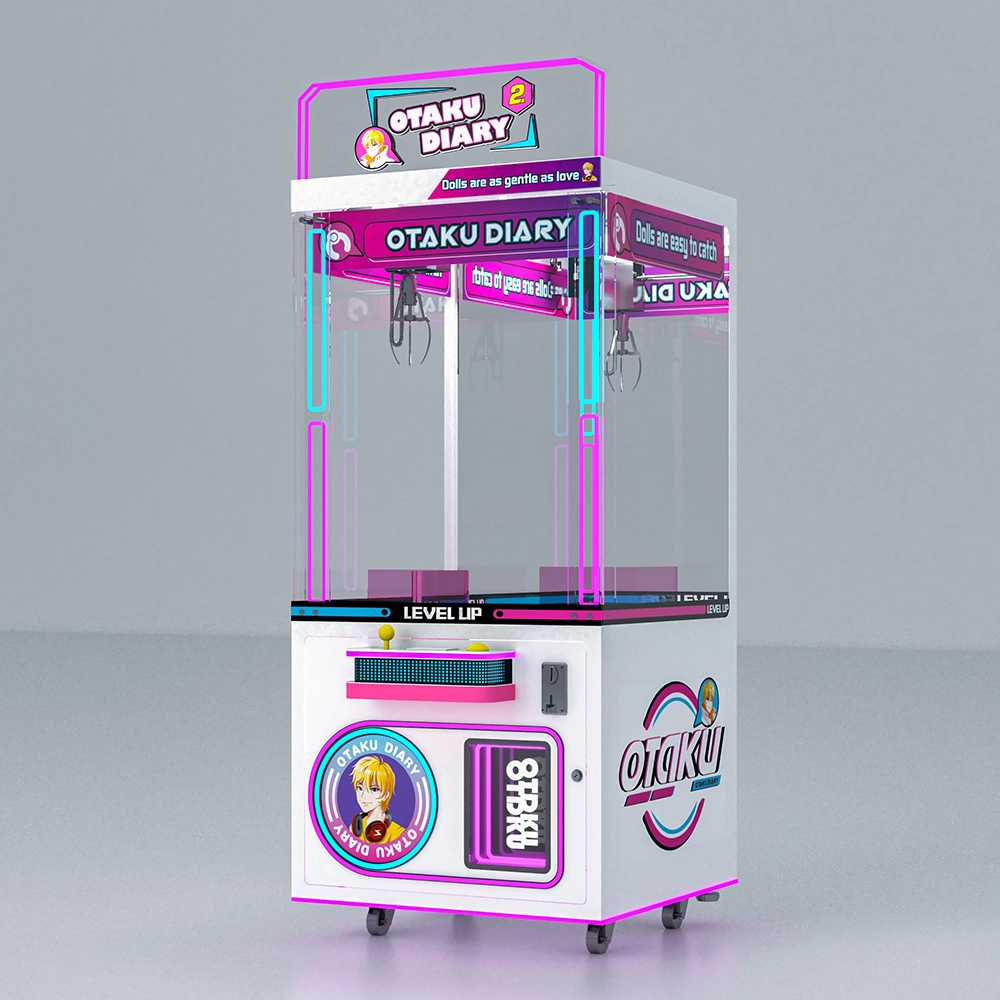
Hardware and Acrylic YP-OT1003 Otaku Diary 2 Claw Machine (Pink and Blue) wholesale factory
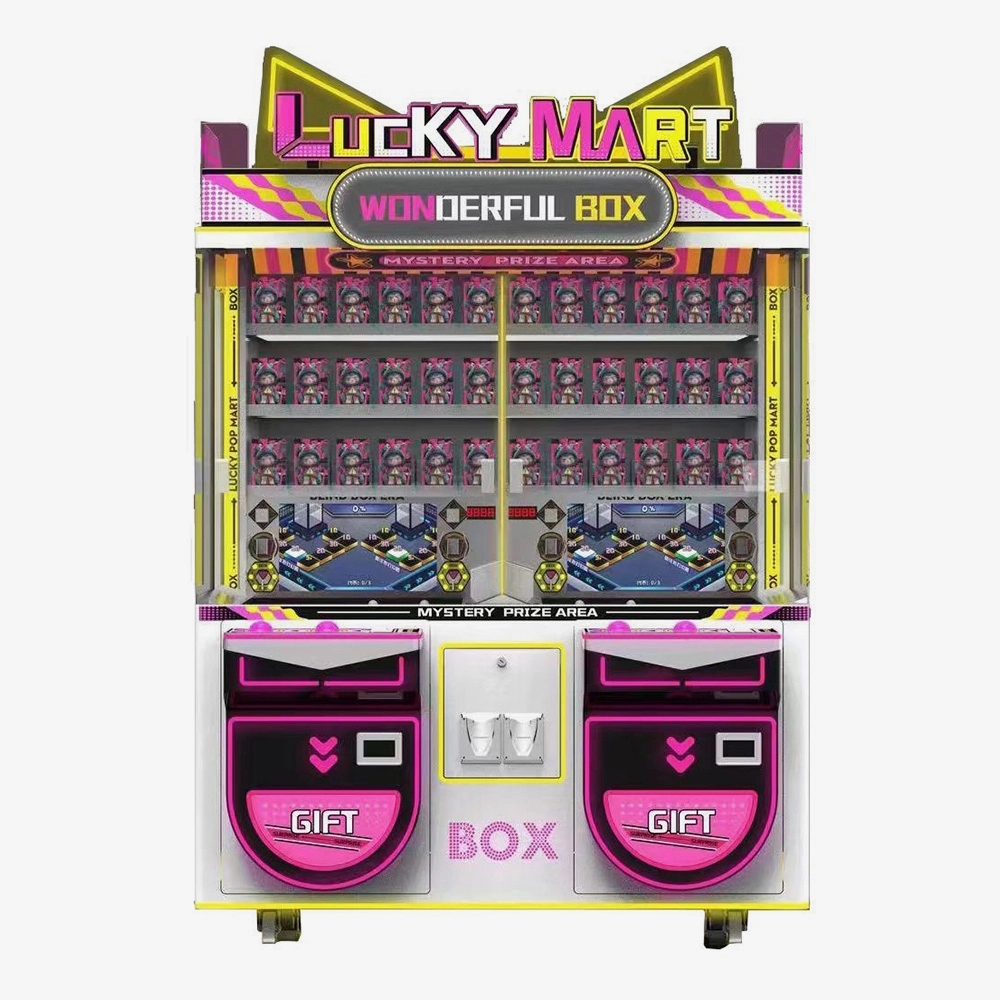
Wholesale Factory YP-BT6001 Wonderful box prize machine blind box machine
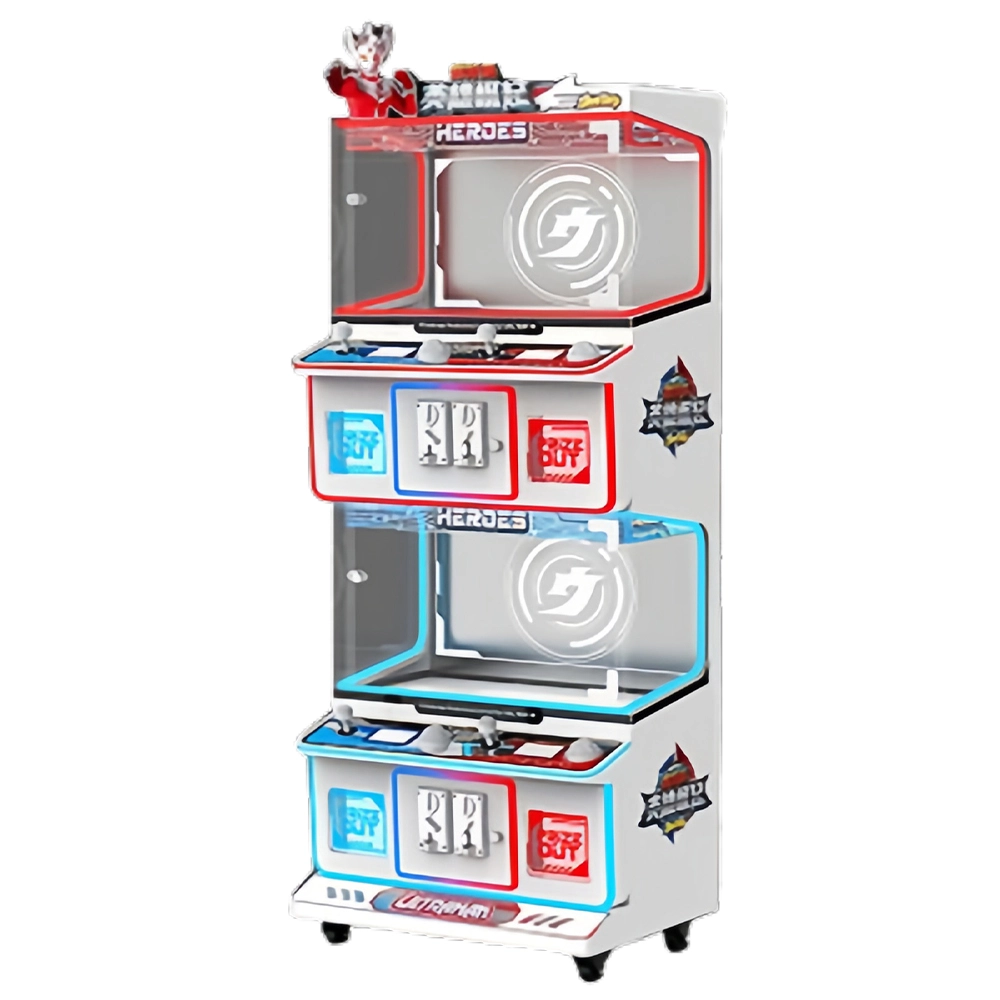
Red and Blue YP-UM5084 ULTRAMAN Hero Rise 4-Players Claw Machine wholesale factory
CONNECT WITH EASE
Have any questions or queries about our products? Please leave us a message here and our team will get back to you promptly.
Your inquiries, ideas, and collaboration opportunities are just a click away. Let's start the conversation.
* Rest assured that your privacy is important to us, and all information provided will be handled with the utmost confidentiality.
At YPFuns, we provide professional prize machine and claw machine design and customized service to create an extraordinary effect.
Contact YPFuns
Address: 1/F of NO G28, G29 and G30, Startcartoom, No 143Yingxing East Road. Donghuan Street, Panvu District, Guangzhou, China.
USA Address: 5164 W Colonial Dr. Orlando, FL 32808 U.S.A.
service@ypfuns.com
Copyright © 2024 YPFUNS All Rights Reserved. Designed by gooeyun
YPFuns Global
YPFuns Global
YPFUNS Global
YPFUNS Claw Machine